Sonia Sharma
Sonia has wide ranging experience advising on technology, cyber, telecommunication and general commercial matters, specialising in cyber and data resilience advice.
View profile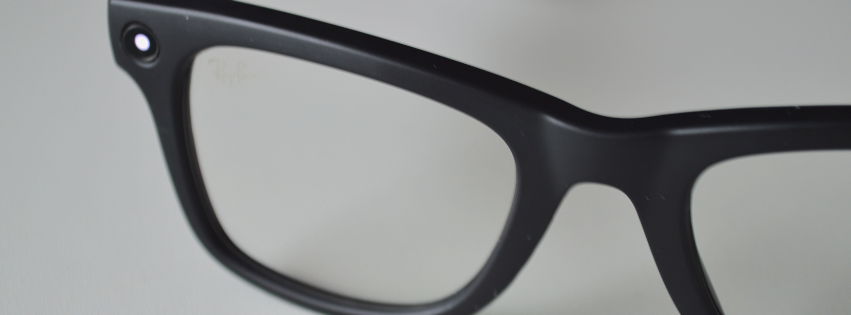
On 7 August 2026, the Office of the Australian Information Commissioner (OAIC) published a blog post titled ‘Surveillance wearables – are we through the looking glass(es)?’ in which Privacy Commissioner Carly Kind confirmed that the OAIC is ‘giving serious consideration to the issues raised by surveillance wearables and monitoring their market presence to understand if scrutiny and intervention is required or warranted’.
This signals a potential shift in the OAIC's regulatory posture towards consumer wearable devices equipped with cameras, microphones and biometric sensors, and carries practical implications for organisations developing, deploying or procuring these technologies.
Notably, this aligns with the OAIC's published 2025–26 Regulatory Priorities, which explicitly identify 'new surveillance technologies such as location data tracking in apps, cars and other devices' as an enforcement focus area under the theme of 'rights preservation in new and emerging technologies'.
A decade after Google's failed launch of Google Glass, a new generation of surveillance wearables is entering the consumer market. Meta is leading with its Meta Glasses, Google plans to release Android XR smart glasses later this year, and Apple's own product is expected in 2027. Mainstream retailers including Kmart and Amazon are beginning to offer budget versions, and OpenAI reportedly has plans to launch a wearable device for ambient data collection to power AI assistants.
Commissioner Kind noted that more than 85% of Australians have told the OAIC in a recent privacy attitudes survey that their concerns about privacy have only increased in the last five years.
The OAIC identified several current and forthcoming legal frameworks that bear on surveillance wearables:
The OAIC's blog post is not yet formal guidance or enforcement action, but it is a clear and deliberate signal of regulatory interest. OAIC blogs and speeches from the Commissioner have consistently foreshadowed the direction of regulatory scrutiny and, ultimately, enforcement action.
Organisations operating in the wearables ecosystem should treat this as an early warning and begin assessing their privacy posture against both current obligations and the forthcoming Tranche 2 reforms.
Please contact our Privacy, Data & Information Law team
Sonia has wide ranging experience advising on technology, cyber, telecommunication and general commercial matters, specialising in cyber and data resilience advice.
View profileHarriet advises both private and public sector organisations on a range of commercial projects with a focus on complex IT outsourcing, transformation, information technology and telecommunications.
View profileKeep up to date with our legal insights and events
Sign up
The Supreme Court of NSW provides an example of the risks of the use of AI by directors in their governance.

ADM transparency obligations that will commence on 10 December 2026 under Australian Privacy Principle 1.

The Federal Court has recently made serious findings of unlawful conduct against two different businesses.

Recent changes could expose property developments across metropolitan Melbourne to new infrastructure levies.
Partner
Sydney